Why DTF Transfers Peel: 9 Common Causes and Fixes
If you’ve ever completed a DTF print only to see it start peeling after washing, you’re not alone. One of the most common questions in the Direct-to-Film printing industry is why DTF transfers peel and what can be done to prevent it.
Peeling transfers can lead to wasted materials, customer complaints, and lost profits. The good news is that most peeling issues are caused by a handful of preventable mistakes involving heat, pressure, curing, or materials.
In this guide, we’ll explain the most common reasons DTF transfers peel and how you can fix them to achieve professional, long-lasting results.
What Causes DTF Transfers to Peel?
DTF transfers rely on a strong bond between the printed design and the garment. When any part of the process fails, the transfer may begin lifting from the fabric.
Common causes include:
- Incorrect heat settings
- Poor pressure
- Low-quality adhesive powder
- Inadequate curing
- Improper washing
- Poor-quality film
- Fabric issues
Understanding these causes is the first step toward preventing future problems.
1. Incorrect Heat Press Temperature
One of the most frequent reasons why DTF transfers peel is incorrect temperature.
If the heat press is too cool, the adhesive powder may not fully activate, resulting in a weak bond between the transfer and the garment.
If the temperature is too high, the adhesive can become brittle and lose flexibility over time.
How to Fix It
Always follow the recommended temperature settings provided by your transfer supplier and verify your heat press accuracy regularly.
2. Insufficient Pressure
Pressure is just as important as temperature.
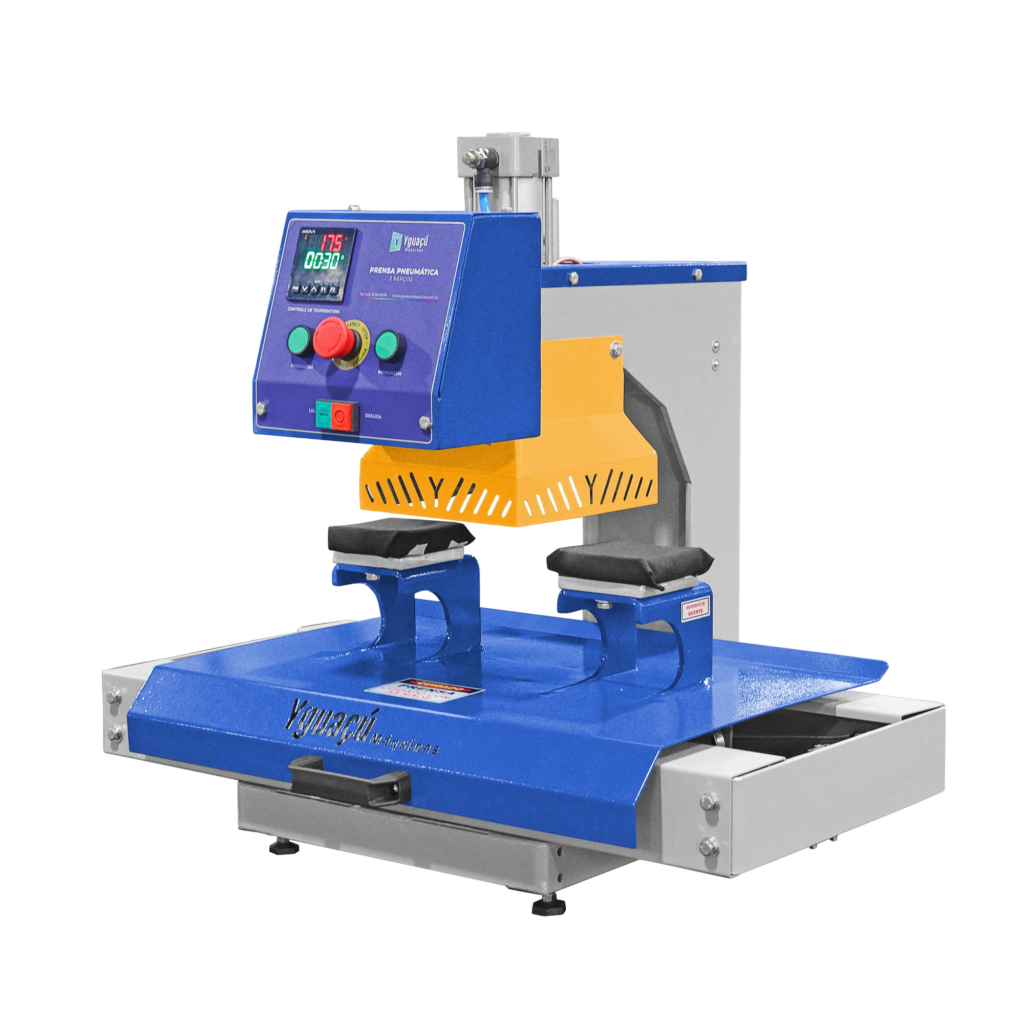
Even if your temperature is correct, uneven or light pressure can prevent the adhesive from properly penetrating the fabric fibers.
Signs of Pressure Problems
If you notice: Edges lifting first, Partial peeling, or Uneven adhesion
How to Fix It
Use firm, even pressure across the entire design and periodically inspect your heat press for wear.
3. Poor Quality DTF Polyamide Powder
The adhesive powder is what bonds the transfer to the garment.
Low-quality powder often causes:
- Weak adhesion
- Early peeling
- Poor wash durability
- Inconsistent results
How to Fix It
Use premium-quality DTF Polyamide Powder designed for consistent melting and strong adhesion.
4. Low-Quality DTF Film
Film quality affects how well ink and powder interact during the transfer process.
Poor film can create uneven coatings, weak powder adhesion, and inconsistent transfers.
How to Fix It
Choose high-quality DTF film that provides reliable release characteristics and excellent coating consistency.
5. Improper Curing
Curing allows the adhesive powder to properly melt and prepare for transfer.
If curing is incomplete, the adhesive may never reach its full bonding potential.
Common Signs
- Poor wash resistance
- Powder remains grainy
- Transfers peel quickly
How to Fix It
Follow proper curing procedures and ensure powder reaches full activation before pressing.
6. Fabric Compatibility Issues
Although DTF works on many fabrics, some materials are more challenging than others.
Issues can occur with:
- Water-resistant fabrics
- Heavily treated garments
- Certain synthetic blends
How to Fix It
Always perform test prints before large production runs.
7. Washing and Care Mistakes
Many transfers fail because garments are not cared for properly after printing.
Common Mistakes
- Bleach usage
- Hot water washing
- High-heat drying
- Aggressive detergents
Recommended Care Instructions
- Wash inside out
- Use cold or warm water
- Avoid bleach
- Tumble dry low
Providing customers with care instructions can significantly improve print longevity.
8. Humidity and Storage Conditions
Environmental conditions can affect both transfers and printing supplies.
Excess humidity can impact:
- Powder performance
- Film quality
- Adhesion consistency
Best Practices
Store DTF supplies in a cool, dry environment and keep containers sealed when not in use.
9. Using Old or Contaminated Materials
Over time, DTF supplies can degrade if stored improperly.
Contaminated powder or damaged film may lead to poor transfer performance.
How to Fix It
Regularly inspect supplies and replace materials that show signs of deterioration.
How to Prevent DTF Transfers from Peeling
To achieve consistent results:
- Use premium DTF film
- Use high-quality DTF Polyamide Powder
- Follow recommended heat settings
- Apply proper pressure
- Cure transfers correctly
- Store materials properly
- Educate customers on garment care
By controlling these variables, you can dramatically reduce peeling and improve print durability.
Helpful Resources
Y Printing Products
Industry Resources
When people search for why DTF transfers peel, the answer is rarely a single issue. Most peeling problems result from a combination of material quality, application settings, and post-print care.
By using quality supplies and following proven production practices, you can create durable, professional transfers that stand up to washing, stretching, and everyday wear.
Ready for Better DTF Results?
Explore Y Printing‘s complete line of premium DTF supplies, including DTF transfers, film, ink, and polyamide powder, designed to help you achieve consistent, professional-quality prints with every order.