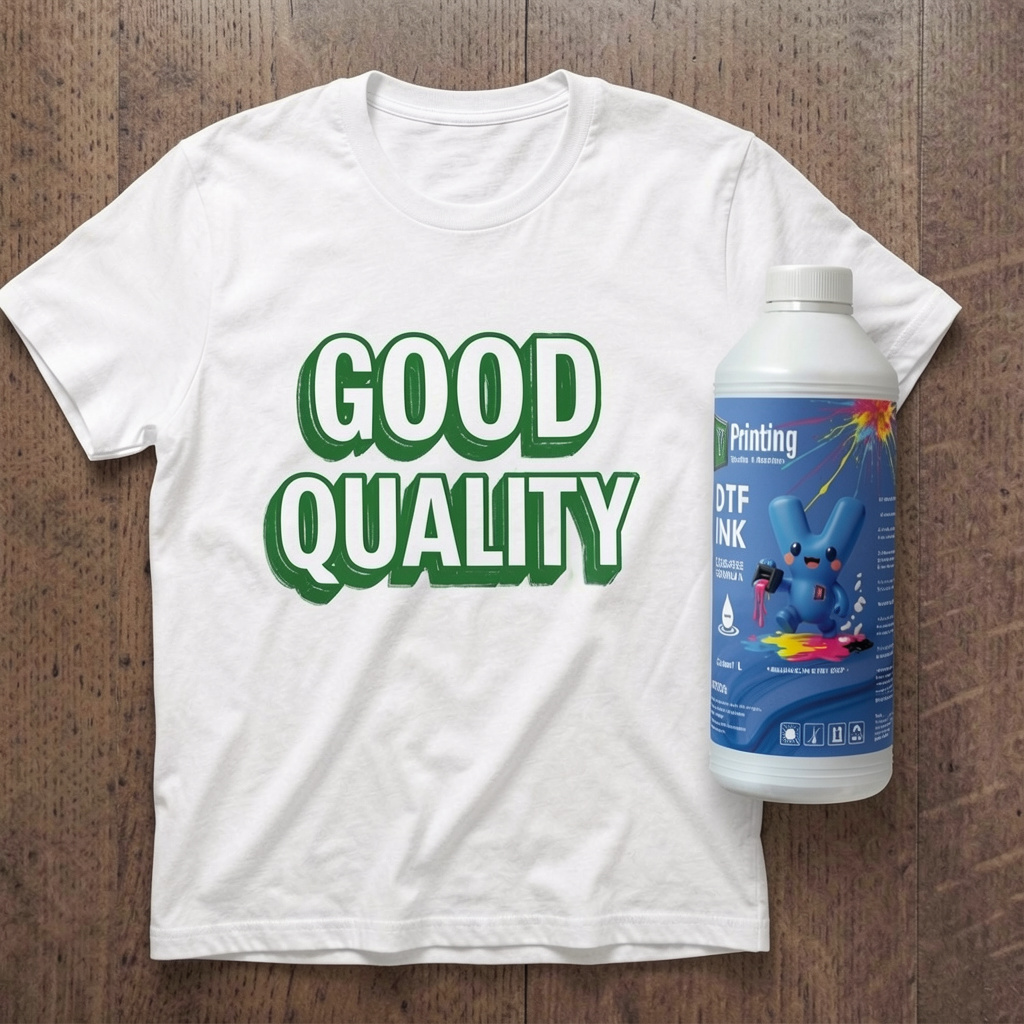
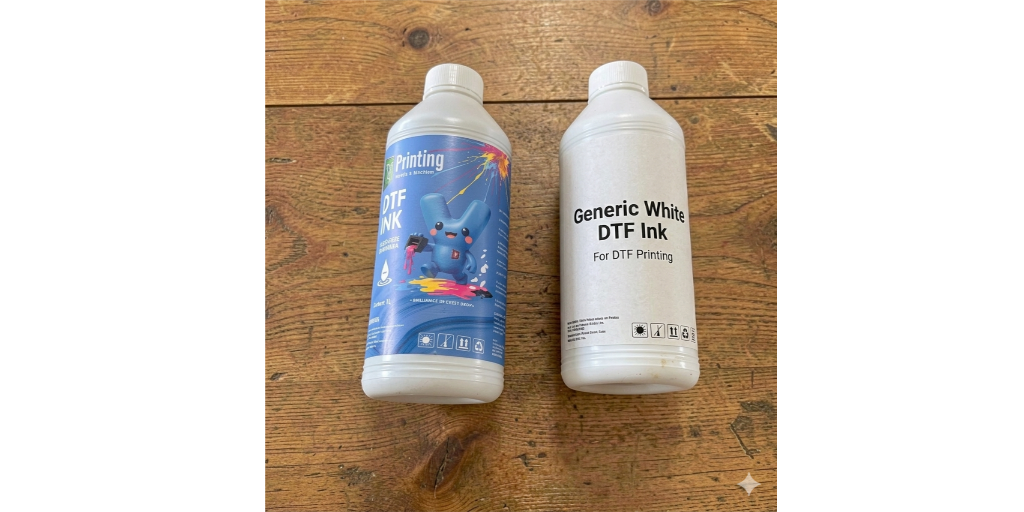
White DTF Ink: 7 Essential Facts to Avoid Costly Mistakes
White DTF Ink is one of the most critical components in Direct-to-Film printing, yet it is also one of the most misunderstood. Many print shops struggle with issues like clogging, poor opacity, and inconsistent transfer quality simply because they overlook how white ink behaves in modern DTF systems.
Understanding how White DTF Ink works can dramatically improve print vibrancy, durability, and production efficiency. When used correctly, it acts as the essential base layer that makes colors pop on both dark and light garments. However, if mishandled, it can lead to wasted film, blocked printheads, and costly downtime.
In this guide, we break down 7 essential facts every printer should know to maximize performance, reduce waste, and improve output quality using industry best practices from Y Printing’s DTF ecosystem.
1. White DTF Ink Is the Foundation of Color Vibrancy
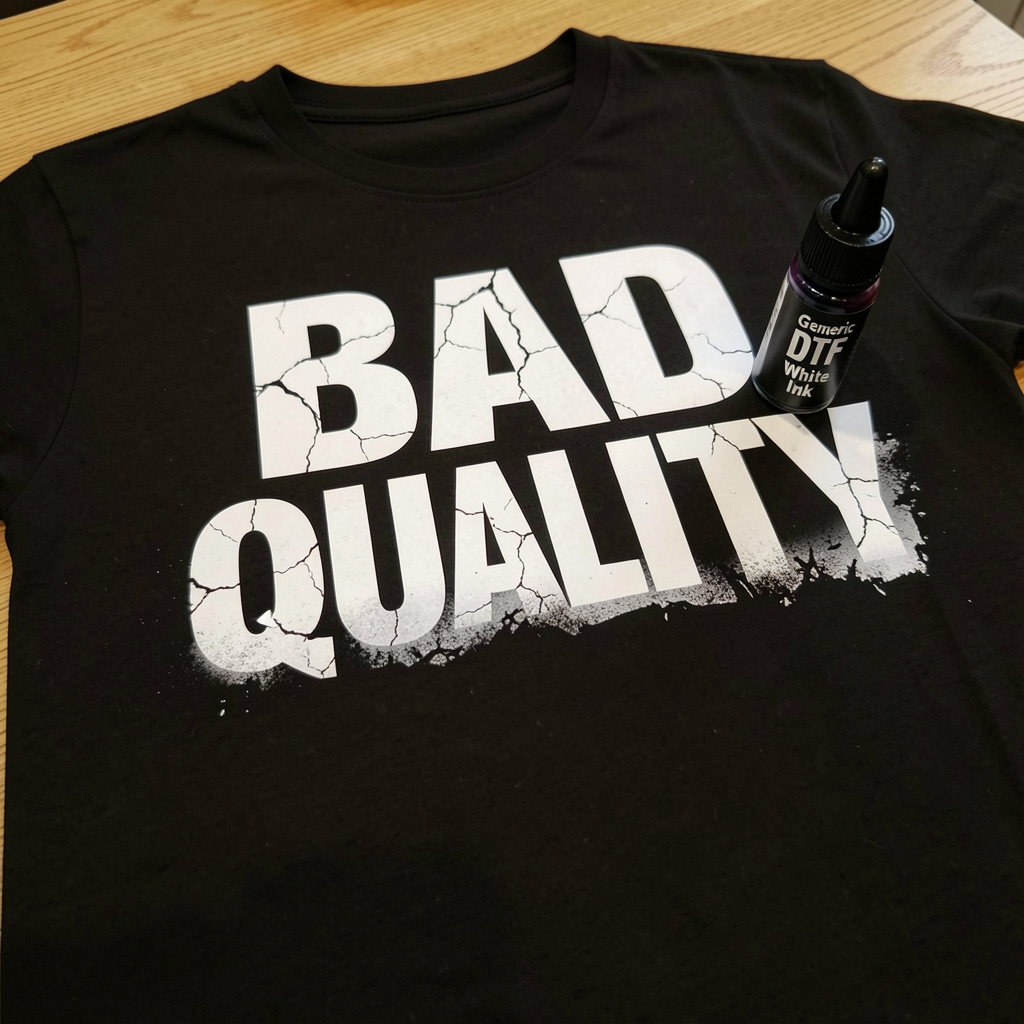
White ink is not just another color—it is the base layer that determines how vibrant your final print appears. Without proper opacity, colors will look dull or washed out, especially on dark garments.
Key points:
- Acts as a reflective base layer
- Improves CMYK color brightness
- Ensures design visibility on dark fabrics
In short, stronger white ink = stronger final print results.
2. Ink Circulation Is Critical for Printhead Health
One of the biggest challenges with White DTF Ink is pigment settling. Titanium dioxide particles tend to separate if the ink is not continuously circulated.
To avoid issues:
- Use printers with built-in white ink circulation systems
- Shake cartridges or bulk ink tanks regularly
- Run daily maintenance cycles
Failing to maintain circulation often leads to clogged nozzles and inconsistent output.
3. Opacity Levels Directly Impact Print Quality
Not all white inks are created equal. High-opacity White DTF Ink produces sharper prints with fewer passes, saving both time and material.
Benefits of high-opacity ink:
- Better coverage in a single pass
- Reduced ink consumption
- Improved edge sharpness
Low-quality ink may require multiple layers, increasing production costs.
4. Proper Curing Temperature Affects Adhesion
White ink must be properly cured with DTF powder to achieve strong adhesion. Incorrect curing leads to peeling, cracking, or poor wash resistance.
Best practices:
- Cure powder at 110–120°C
- Avoid overheating (can burn adhesive layer)
- Ensure even heat distribution
For more material guidance, explore Y Printing’s Polyamide Powder Guide
5. Printer Compatibility Matters More Than You Think
Not every printer handles White DTF Ink equally. Some systems are specifically engineered for high-viscosity pigment inks.
For optimal performance:
- Use Epson-based printheads designed for DTF workflows
- Ensure RIP software supports white channel management
- Calibrate ink density regularly
Learn more about printhead technology from Epson Print Technology.
6. White Ink Requires Specialized Maintenance Routines
Unlike standard CMYK inks, white ink requires more frequent maintenance due to its heavier pigment load.
Recommended routine:
- Daily nozzle checks
- Weekly flushing cycles
- Monthly dampers and line inspections
Ignoring maintenance can drastically reduce printer lifespan and output quality.
7. Industry Standards Continue to Evolve
The DTF industry is rapidly evolving, and white ink technology is improving alongside it. Organizations like Printing United Alliance continue to set benchmarks for print quality and workflow standards.
Modern trends include:
- Eco-friendlier pigment formulations
- Faster curing adhesives
- Higher opacity nano-pigment inks
Staying updated ensures your print shop remains competitive.
White DTF Ink plays a defining role in the quality, durability, and efficiency of modern DTF printing. From opacity control to printer compatibility and maintenance routines, every factor influences your final output.
By understanding these 7 essential facts, print shops can reduce waste, improve color vibrancy, and avoid costly production errors.
At Y Printing, we provide industry-grade DTF supplies designed to maximize performance and consistency—helping you scale your printing business with confidence.
Related Y Printing References
Explore premium materials in our DTF Transfers collection
Browse high-performance DTF Film Products
Learn more from our DTF Ink Guide
Improve bonding strength with the Polyamide Powder Guide
Discover our story on the About Us page
Industry References
FAQ:
1. Why is White DTF Ink so important?
It acts as the base layer that allows CMYK colors to appear vibrant on dark and light fabrics.
2. Why does white ink clog printers?
White pigment particles settle easily without proper circulation or regular maintenance.
3. Can I use any printer for White DTF Ink?
No, printers must support pigment-based white ink systems, typically Epson-based DTF setups.
4. How often should white ink be maintained?
Daily circulation checks and weekly cleaning cycles are recommended.
5. What affects white ink opacity?
Ink quality, printer calibration, and layering technique all impact opacity levels.